THe Artist Website Blueprint: How to Build a Site That Gets You Taken Seriously
Let's be honest. You're releasing music, posting consistently, and still not getting the opportunities you deserve. The problem isn't your talent. It's your online presence.
When a promoter, A&R, or journalist hears your name, they don't stream you first. They Google you. And if what they find doesn't look professional, they move on — no matter how good your music is.
A website fixes that. It's your headquarters. The one place that tells your full story, on your terms, 24 hours a day.
Here's every page your artist website needs and exactly what to put on each one.
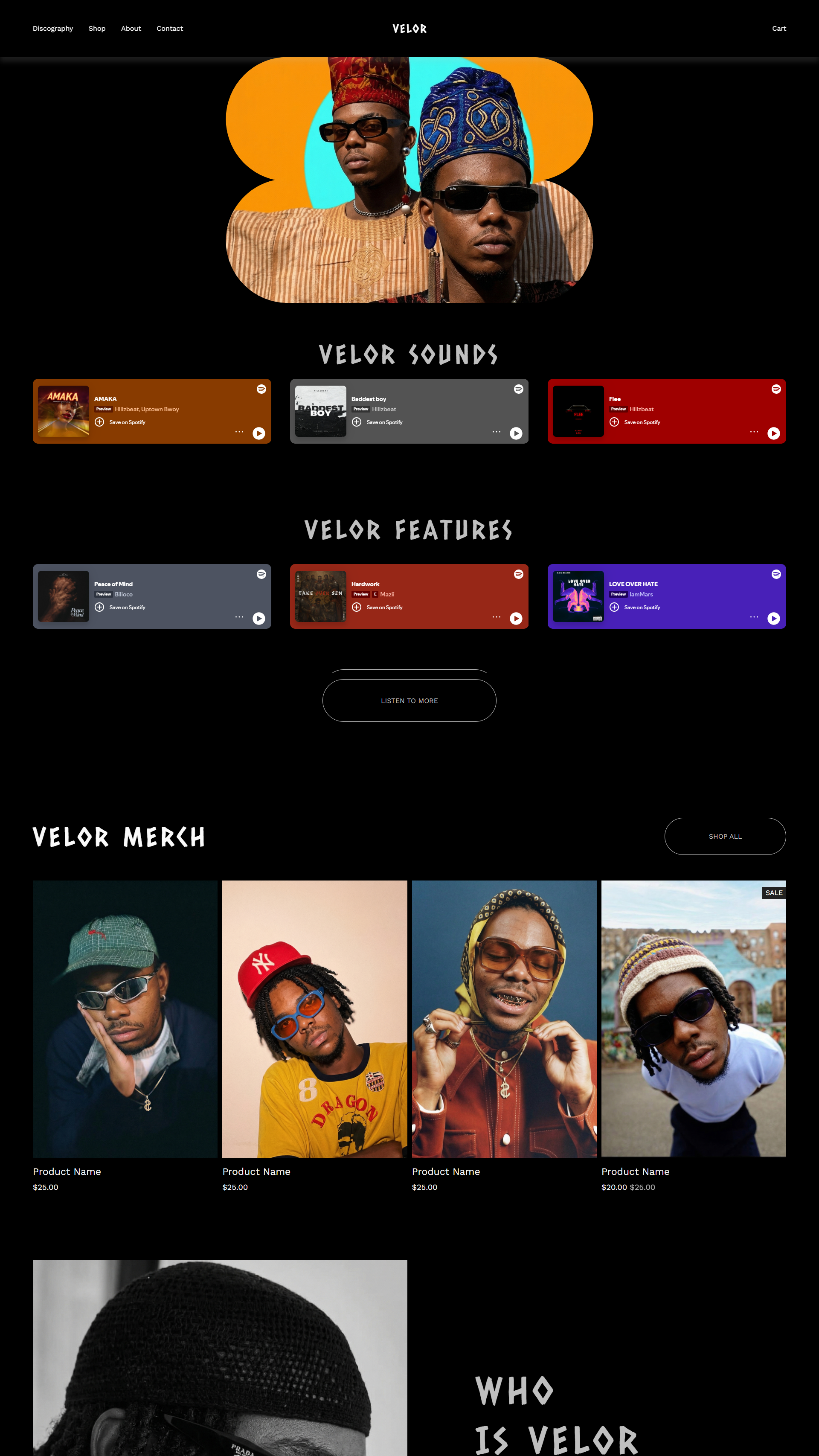
Page 1: Home
Your homepage has one job — make someone want to stay. It should tell visitors who you are, what you make, and what to do next, all within the first few seconds of landing.
Lead with a bold visual. Follow it immediately with your music so people can listen without hunting for it. Then flow into your features, your merch, and a short teaser about who you are. End with a way to connect.
If a visitor has to scroll more than once to figure out what you do, you've already lost them.
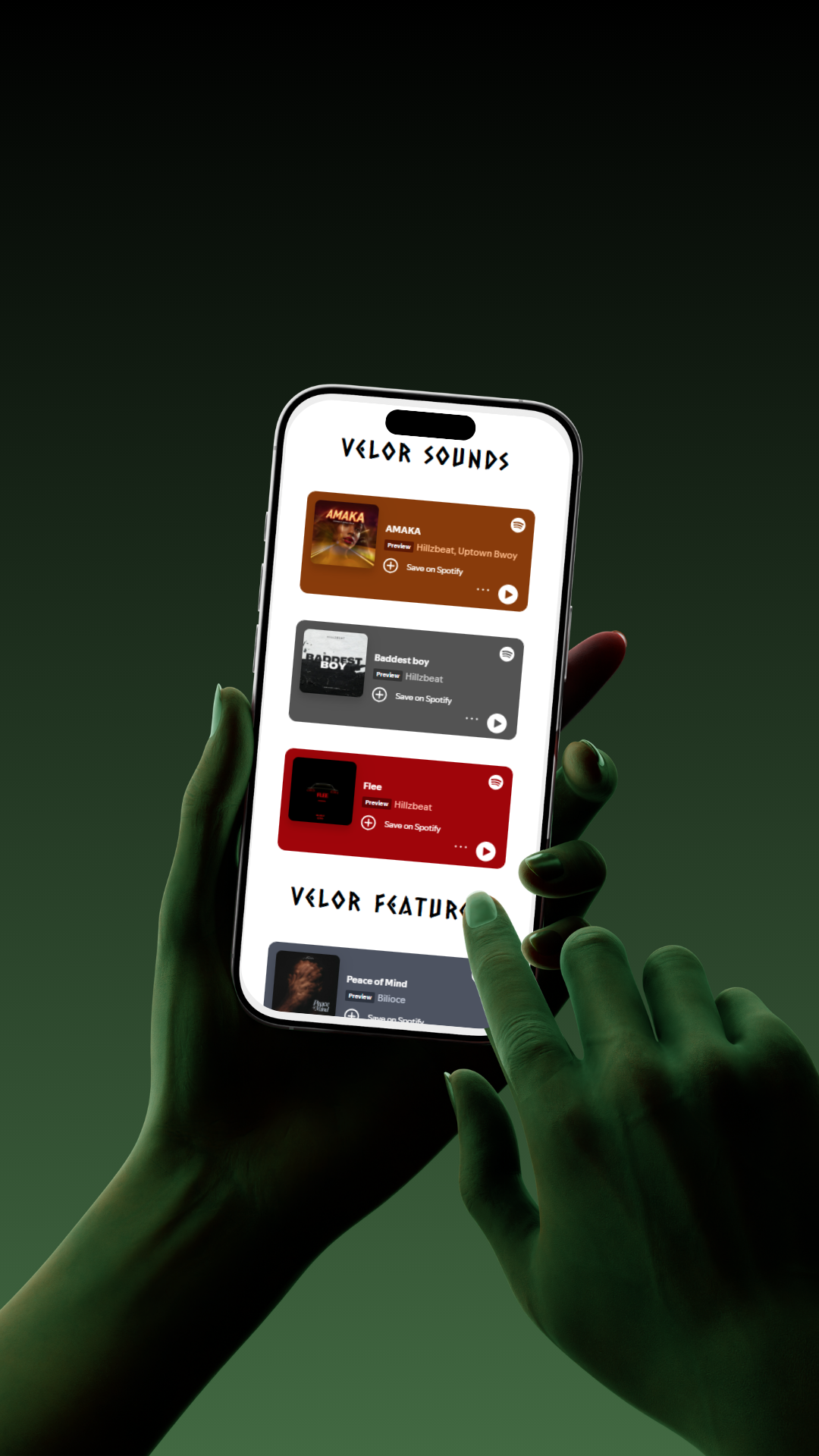
Page 2: Discography
This is your proof of work. A dedicated discography page shows industry professionals that you have a body of work — not just one song, not just one moment.
List every release with artwork, the release date, and a direct streaming link. Organize it chronologically, newest first. The cleaner and more visual it looks, the more serious you appear.
A scattered SoundCloud link in a bio doesn't cut it. A full discography page says: I'm an artist with a catalogue. Come in.
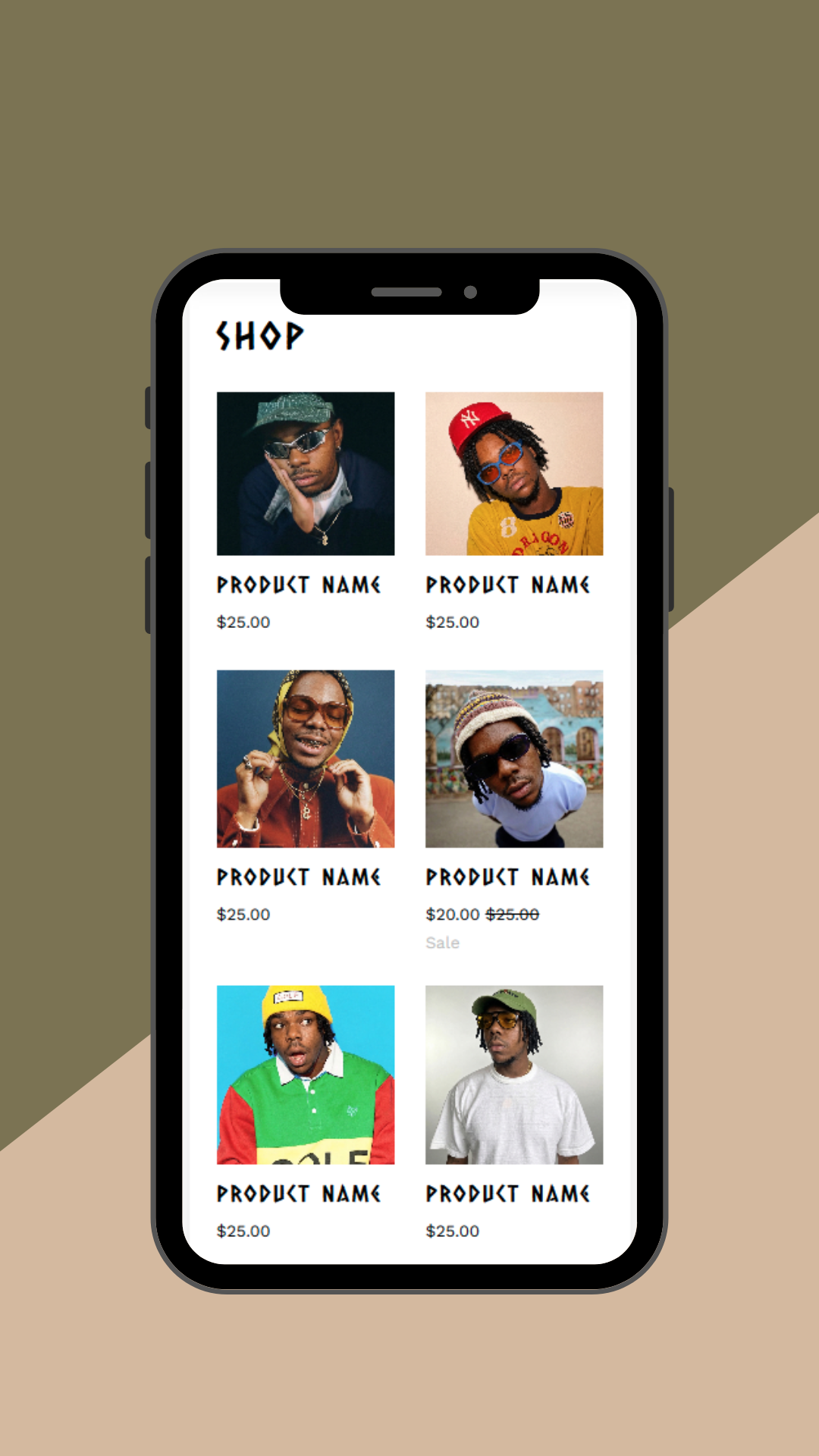
Page 3: Shop
Merch is one of the most underused revenue streams for independent artists. Streaming pays fractions of a penny. A single merch sale can make more than a thousand streams.
You don't need a huge catalogue. Two or three products with clean photography and clear pricing is enough to signal that you're a real brand — not just someone making music as a hobby.
A shop also gives your fans a direct way to invest in you. People who buy your merch are your most loyal supporters. Give them somewhere to do it.
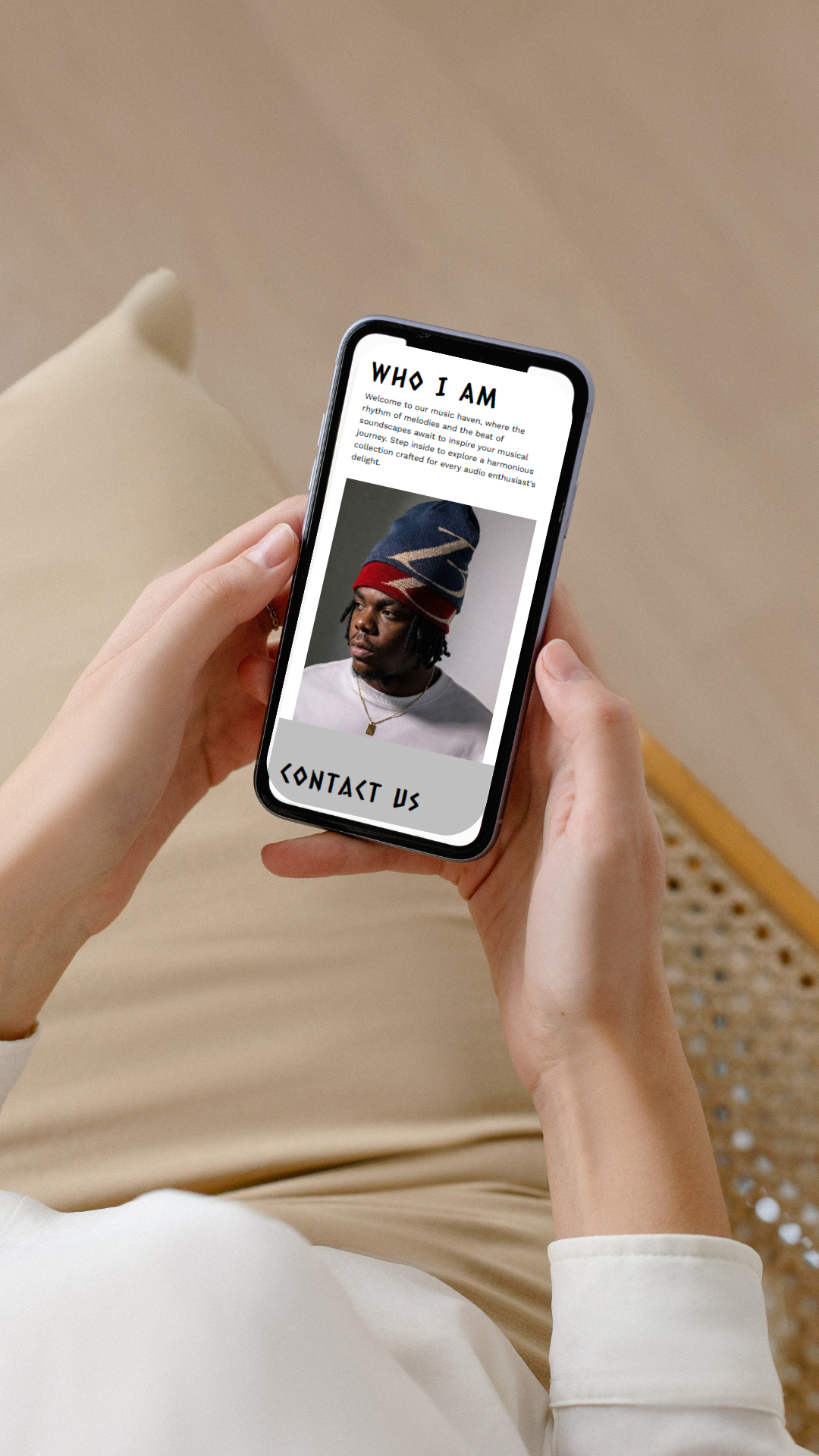
Page 4: About
This is where you build the human connection. Your About page should tell your story — where you're from, what drives your music, what you've accomplished, and where you're going.
Write it in third person so it's press-ready. Keep it punchy. Cover who you are, what makes your sound distinct, and what you've done worth mentioning — shows, placements, collaborations, milestones.
Industry people read bios before they reach out. A strong About page is the difference between a cold email and a warm one.
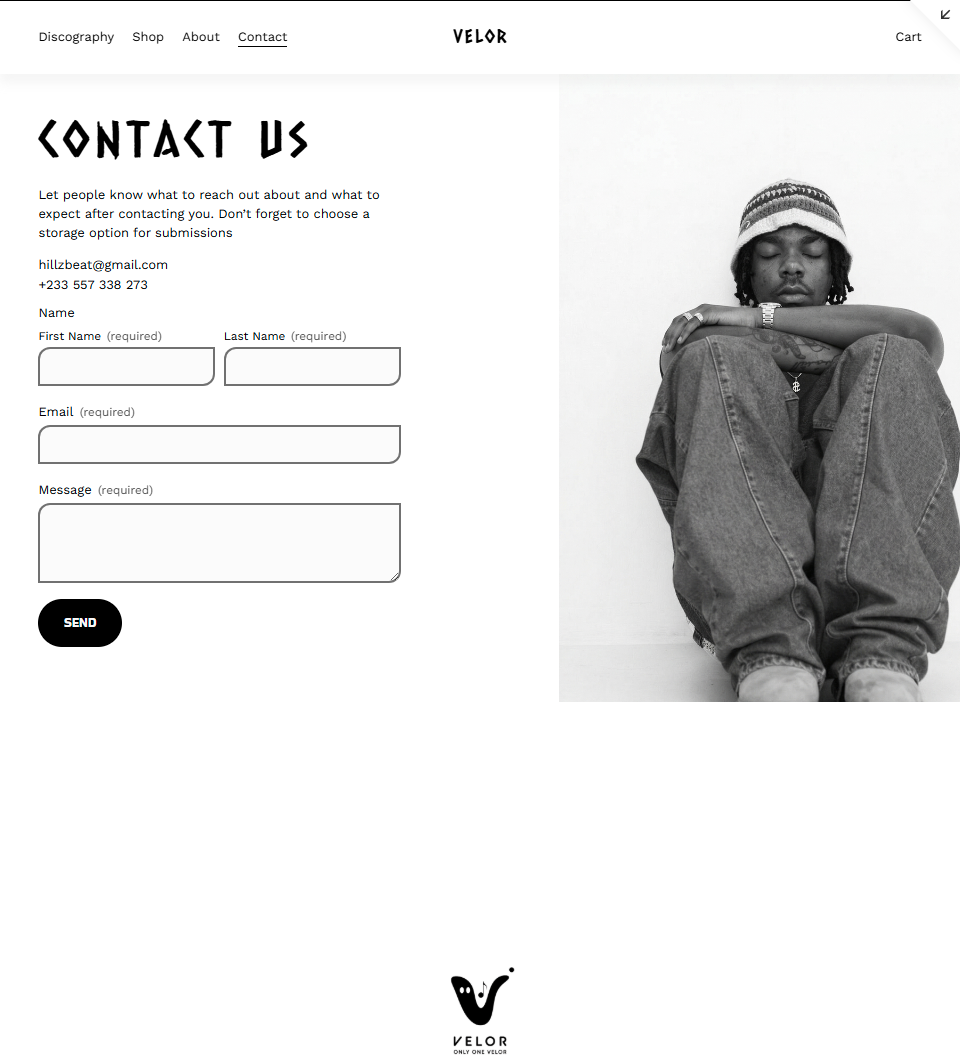
Page 5: Contact
If people can't reach you easily, they can't book you. It's that simple.
Your contact page should have a booking enquiry form, your management or booking email, and links to your socials. Write a short line at the top that invites people in — something like "Interested in working together? Let's talk."
Keep it clean. Keep it direct. And put it in your navigation where it's always one click away. Never make someone hunt for a way to give you money.
What ties it all together
Pages alone aren't enough. Three things make the difference between a website that looks good and one that actually works for you.
First, a consistent brand. Same colours, same fonts, same tone across every page. Your website should feel like one cohesive artist — not five separate ideas stitched together.
Second, an email capture. A mailing list is the most powerful tool in music and the most ignored. Every fan who gives you their email is a fan you can reach directly, no algorithm, no pay-to-reach, no platform changes. Start building that list from day one.
Third, a clean domain. Your name dot com. Not a free subdomain, not a Linktree. A real URL that you own.
The bottom line
The artists getting booked, featured, and signed aren't always the most talented. They're the most prepared. A professional website is the easiest way to look like you belong at the level you're working toward.
You don't need to be a developer. You don't need a big budget. Platforms like Squarespace make it possible to have a full professional site live within a weekend.
Start building. Your next opportunity is already Googling you.